

The second trimester of pregnancy (weeks 14-27) is often called the "golden period." Nausea subsides, energy returns, and the belly has not yet grown to a size that restricts movement. It is the ideal moment to start or continue a targeted exercise program that prepares you for labor and supports faster postpartum recovery.
Why exercise matters during pregnancy
The American College of Obstetricians and Gynecologists (ACOG) explicitly recommends at least 150 minutes of moderate-intensity exercise per week for uncomplicated pregnancies. The benefits are extensive: reduced lower back and sciatic pain, better weight management, lower risk of gestational diabetes and preeclampsia, improved mood, better sleep, easier labor, and faster recovery after delivery.
The physical changes you must respect
As pregnancy progresses, your body undergoes significant changes that affect how you should train:
- Shifting center of gravity — the lower back arches more, straining the lumbar spine.
- Relaxin — this hormone loosens ligaments, making joints more vulnerable to sprains.
- Diastasis recti — the abdominal muscles begin to separate to accommodate the baby; the wrong exercises (traditional crunches) worsen this separation.
- Inferior vena cava compression — after 16 weeks, prolonged supine positions can reduce blood return to the heart.
- Pelvic floor under pressure — increased weight from the fetus demands targeted strengthening.
What Clinical Pregnancy Pilates includes
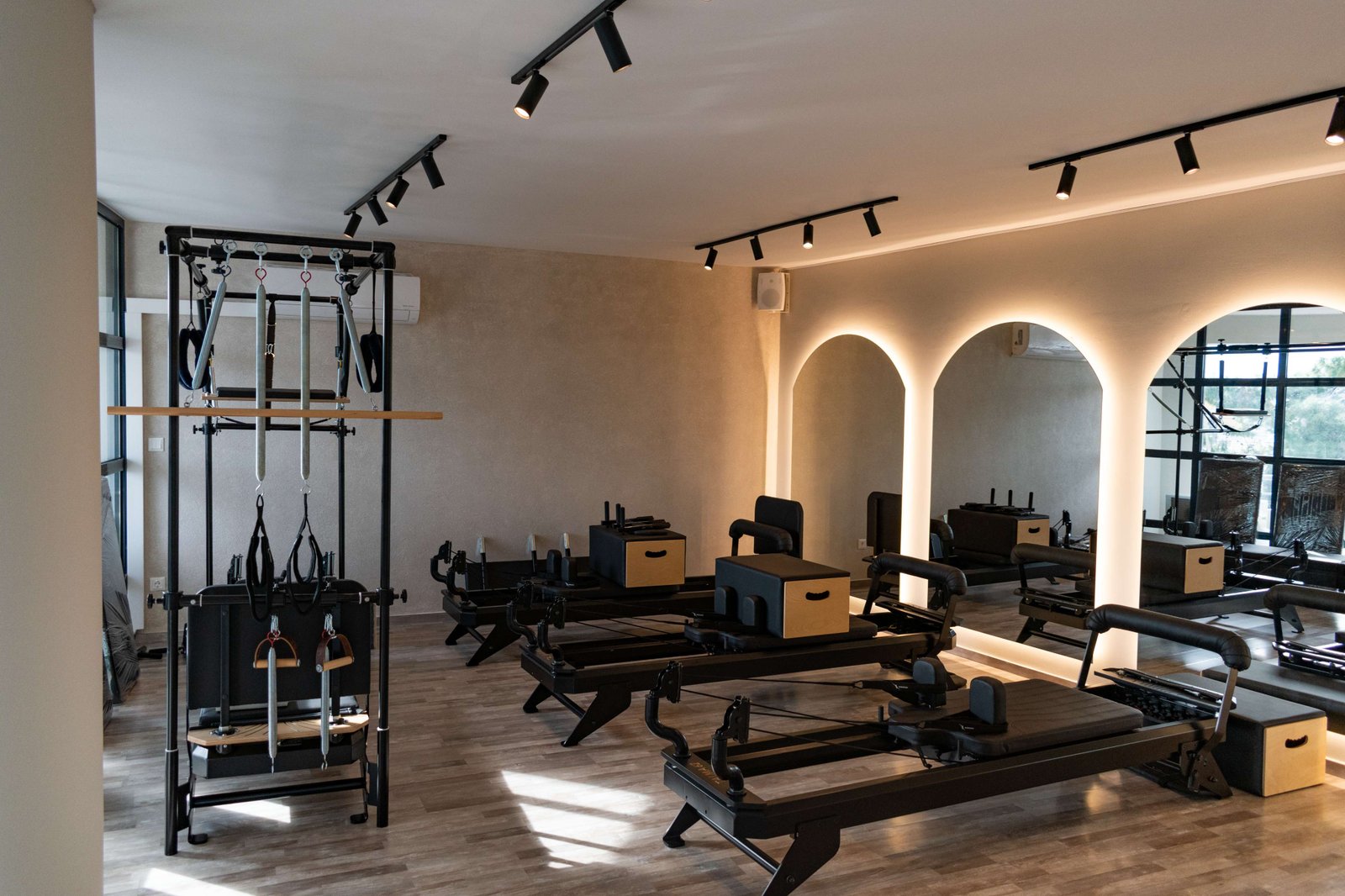
Sessions are tailored to each trimester and each woman's starting fitness level. We emphasize strengthening the oblique abdominals (not the rectus), activating the pelvic floor, maintaining hip mobility, and preserving good posture to relieve back strain. We use supportive equipment such as Swiss balls and the Reformer, which allow safe positions without any pressure on the belly.
Exercises to avoid
- Traditional crunches and sit-ups from the 1st trimester onward.
- Prolonged supine positions (over 3-4 minutes) after week 16.
- Exercises with a high risk of falling (e.g. single-leg balances without support).
- Deep trunk rotations.
- Any exercise that triggers dizziness, shortness of breath, or pain.
Preparing for labor and beyond
Clinical Pilates during pregnancy is not simply "gentle exercise" — it is functional preparation for childbirth. A woman who has practiced conscious breathing, who knows how to relax her pelvic floor and engage her deep abdominals, approaches labor with significantly more tools at her disposal. After delivery, the same principles guide a gradual return to fitness and the management of diastasis recti (postpartum recovery).
Always consult your obstetrician before starting any exercise program during pregnancy.
PhysioPilates Team
Specialized Physiotherapists