

Lower back pain affects approximately 80% of the adult population at some point in their lives. It is the second most common reason for visiting a doctor after the common cold, and the leading cause of work absenteeism worldwide. Clinical Pilates is one of the most effective and evidence-based tools for both preventing and managing this condition.
Why does our back hurt?
In most cases, lower back pain does not stem from a serious structural injury but rather from mechanical dysfunction: weak deep stabilizing muscles, a sedentary lifestyle that flexes the spine for hours, poor lifting mechanics, and reduced mobility in the hips and thoracic spine. When the deep muscles (transversus abdominis, multifidus, pelvic floor) fail to activate correctly, loads are transferred to the intervertebral discs and facet joints — exactly where they should not be.
Why Clinical Pilates and not generic Pilates?
Unlike generic Pilates classes that follow a one-size-fits-all script, Clinical Pilates is adapted by physiotherapists to each individual's pathology. We begin with a thorough physiotherapy assessment: we identify which muscles are overactive, which are dormant, where mobility is restricted, and which faulty movement patterns need to change before we even prescribe a single exercise.
"Core stability is the key to proper movement of the limbs and protection of the spine."
What the science says
According to systematic reviews published in the Cochrane Database, Pilates-based interventions show statistically significant improvements in pain and function for patients with chronic lower back pain, compared to no treatment or generic home exercises. The benefits persist for months after completing the program, particularly when the patient continues maintenance work.
How a program is structured
- Phase 1 — Re-education (weeks 1-3): Activating the deep stabilizers without load, breathing retraining, improving body awareness.
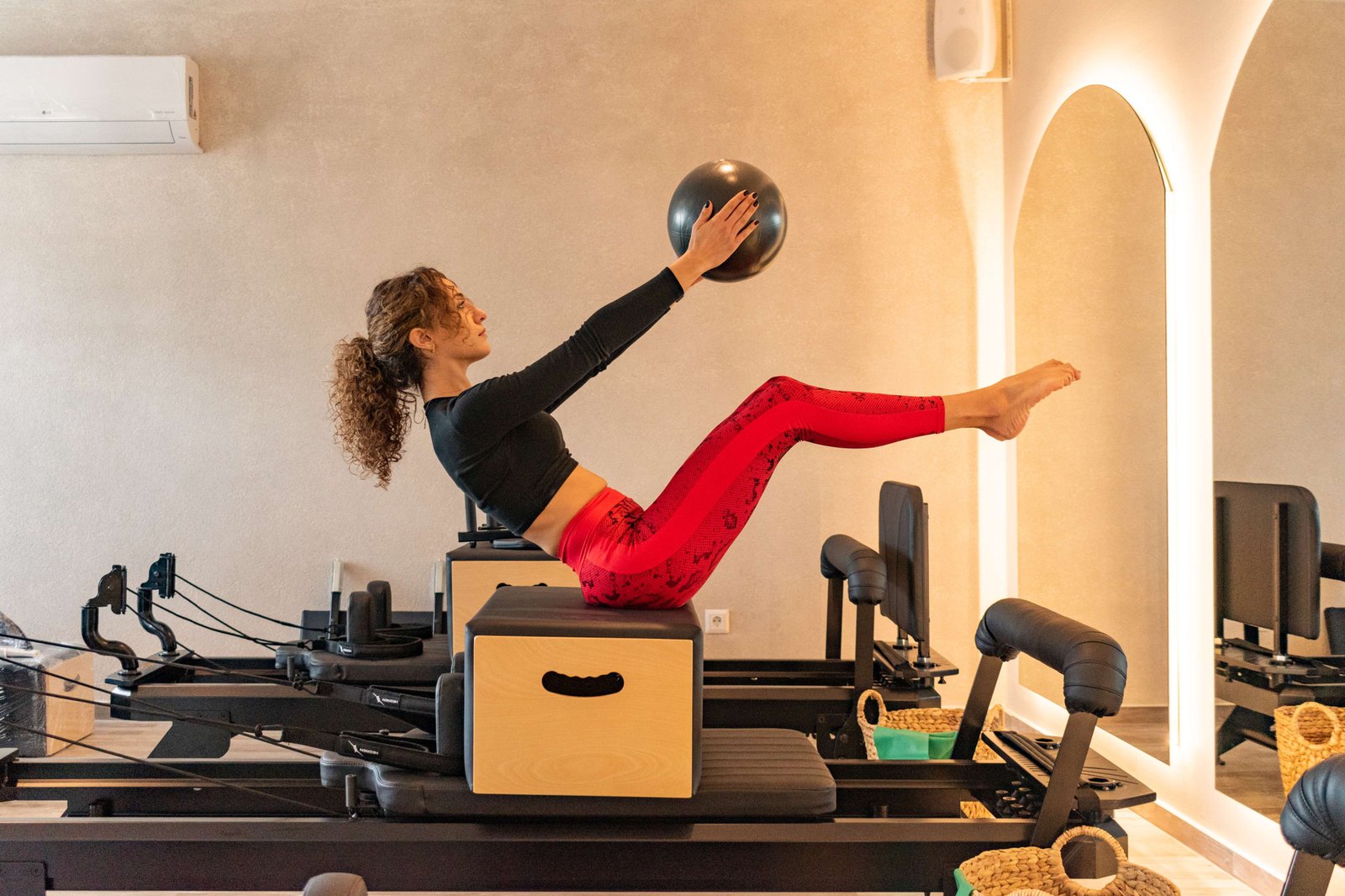
- Phase 2 — Stabilization (weeks 4-8): Progressively challenging exercises on the Reformer and mat, integrating limb movement while maintaining trunk stability.
- Phase 3 — Functional integration (weeks 8+): Transferring movement patterns into daily life — lifting, bending, rotating, returning to sport.
When to see a professional
Pain that lasts more than 2-3 weeks, worsens at night, is accompanied by numbness or weakness in the legs, or recurs periodically, needs evaluation by a physiotherapist. Do not ignore your body — the sooner the problem is addressed, the lower the chance of it becoming chronic.
PhysioPilates Team
Specialized Physiotherapists